|
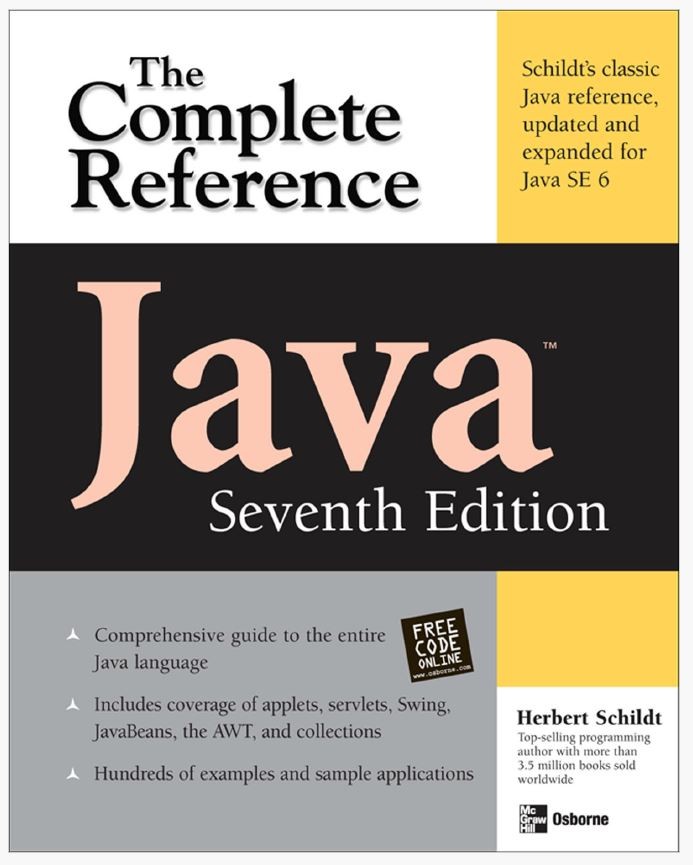
Synopsis: The course will use a Java Platform, Standard Edition (Java SE) is a computing platform for development and deployment of portable code for desktop and server environments. Java SE was formerly known as Java 2 Platform, Standard Edition (J2SE). The platform uses the Java programming language and is part of the Java software-platform family. Let's start with the Java Standard Edition, or Java SE, for short. This edition provides the core functionalities of the Java language. Java SE provides the essential components for Java applications: Java Virtual Machine, Java Runtime Environment, and Java Development Kit. TTeacher- Ei Phyu Sin Win |
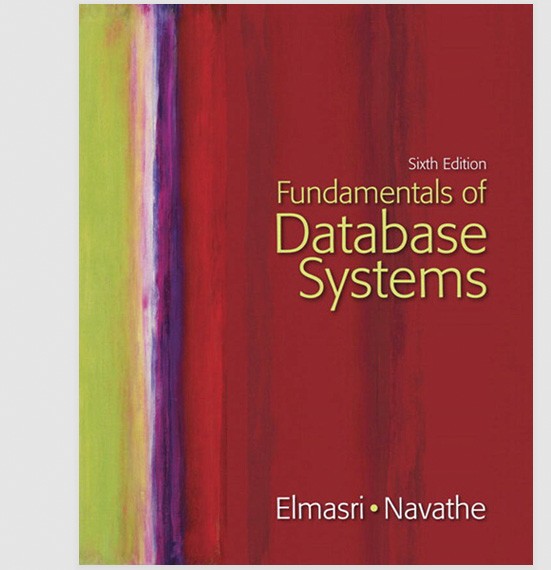
Database management system is important in today’s world because of organizations are increasingly aware of importance of the information in solving many of the problems. DBMS is behind technology that people use daily, such as mobile apps, banking systems, and many more. This course gives a basic introduction to database management systems (DBMS s), i.e. software that is designed to assist in maintaining and utilizing large collections of data. The course emphasizes the understanding of the fundamentals of relational systems including data models, database architectures, and database manipulations. This course also provides an understanding of normalization processes of relations and developing of database design.
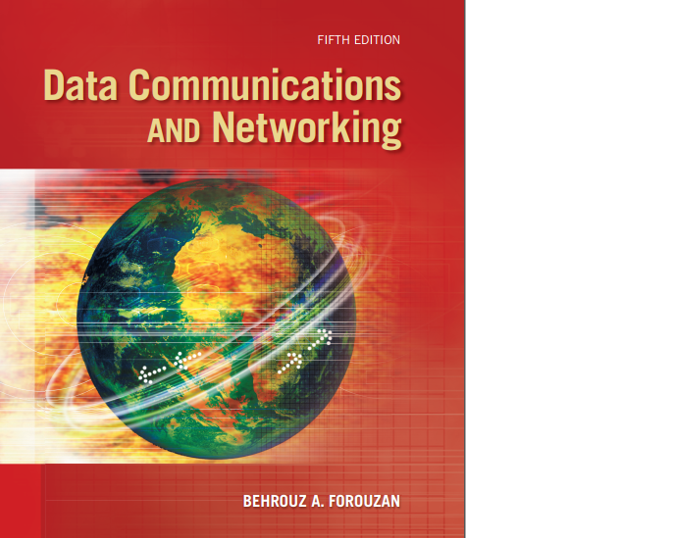
This course introduces the fundamental concepts of data communication and computer networking, with an emphasis on the transport layer and its protocols. Students learn how reliable and unreliable data transmission is achieved using User Datagram Protocol (UDP) and Transmission Control Protocol (TCP). The course covers transport-layer services, multiplexing and demultiplexing, flow control, error control, congestion control, and Quality of Service (QoS). It also introduces socket programming concepts and client–server communication. By the end of the course, students will understand how transport protocols ensure efficient, reliable, and high-performance communication across modern computer networks.
- Teacher: Khin Ohnmar Maung
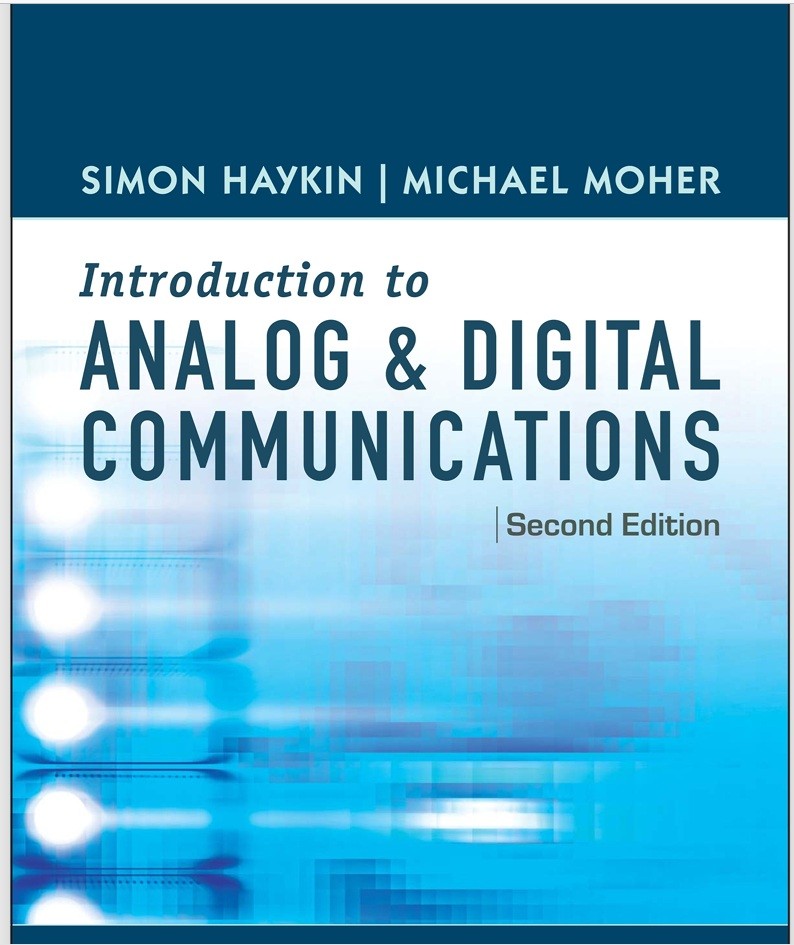
Modulation Theory Digital communication has overtaken analog communications as the dominant form of communications. Although, indeed, these two forms of communications work in different ways, modulation theory is basic to them both. Moreover, it is easiest to understand this important subject by first covering its fundamental concepts applied to analog communications and then moving on to digital communications. Moreover, amplitude modulation is simpler than angle modulation to present. One other highly relevant point is the fact that to understand modulation theory, it is important that Fourier theory be mastered first.
- Teacher: Phyo Thu Zar Tun