
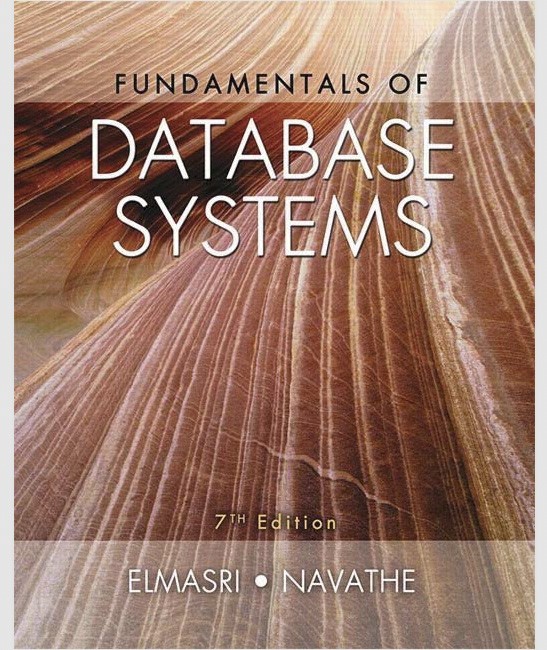
This book introduces the fundamental concepts necessary for designing, using, and implementing database systems and database applications. Our presentation stresses the fundamentals of database modeling and design, the languages and models provided by the database management systems, and database system implementation techniques. The book is meant to be used as a textbook for a one- or two-semester course in database systems at the junior, senior, or graduate level, and as a reference book. Our goal is to provide an in-depth and up-to-date presentation of the most important aspects of database systems and applications, and related technologies. We assume that readers are familiar with elementary programming and data-structuring concepts and that they have had some exposure to the basics of computer organization.
- Teacher: Ei Mi Mi Myaing
|
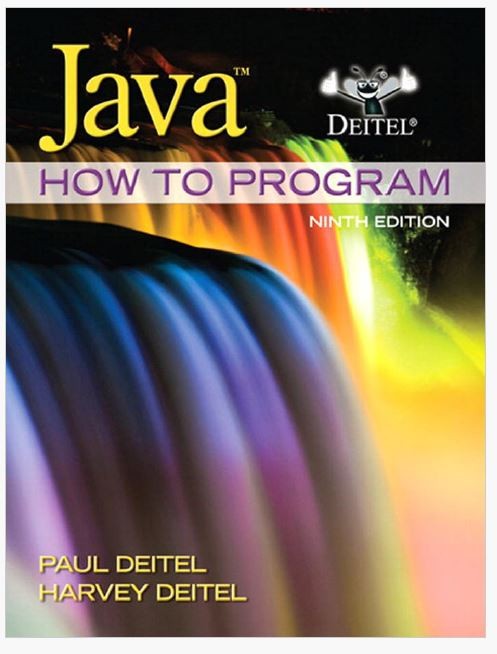
Synopsis: The course will use a Java Platform, Standard Edition (Java SE) is a computing platform for development and deployment of portable code for desktop and server environments. Java SE was formerly known as Java 2 Platform, Standard Edition (J2SE). The platform uses the Java programming language and is part of the Java software-platform family. Let's start with the Java Standard Edition, or Java SE, for short. This edition provides the core functionalities of the Java language. Java SE provides the essential components for Java applications: Java Virtual Machine, Java Runtime Environment, and Java Development Kit. Teacher- Ei Phyu Sin Win |
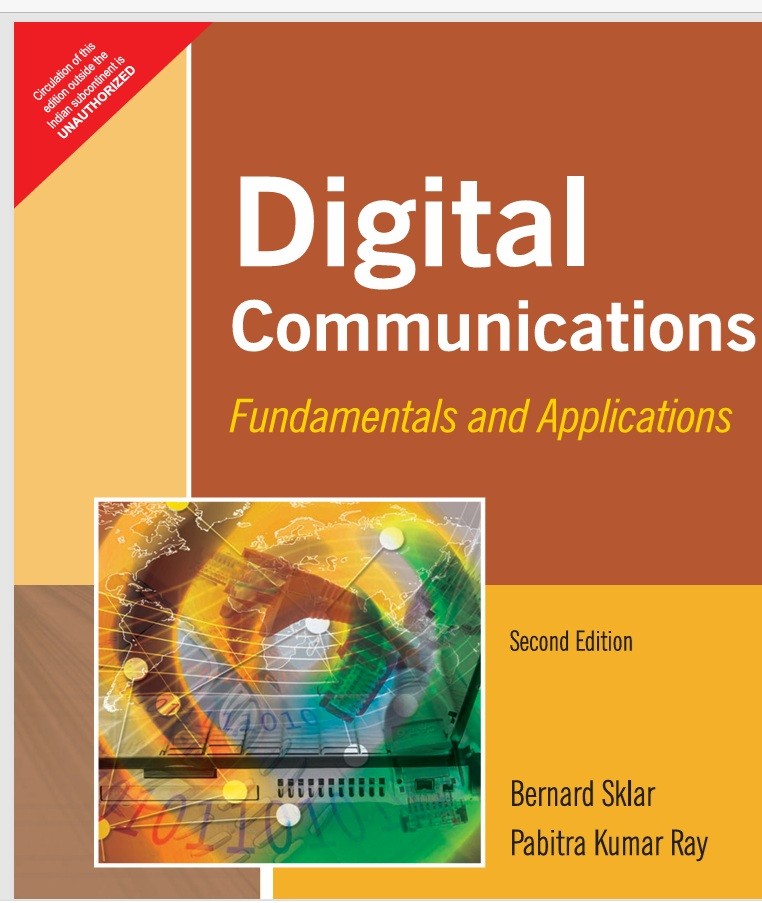
The book develops these techniques in the context of a unified structure. The structure, in block diagram form, appears at the beginning of each chapter; blocks in the diagram are emphasized, when appropriate, to correspond to the subject of that chapter. Major purposes of the book are to add organization and structure to a field that has grown and continues to grow rapidly, and to insure awareness of the “big picture” even while delving into the details. Signals and key processing steps are traced from the information source through the transmitter, channel, receiver, and ultimately to the information sink. Signal transformations are organized according to
nine functional classes: Formatting and source coding, Baseband signaling, Band pass signaling, Equalization, Channel coding, Muliplexing and multiple access, Spreading, Encryption, and Synchronization. Throughout the book, emphasis is placed on system goals and the need to trade off basic system parameters such as signal-to-noise ratio, probability of error, and bandwidth expenditure.
- Teacher: Phyo Thu Zar Tun