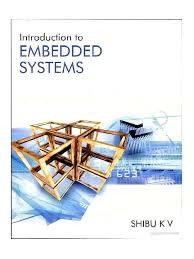
This course provides with Hardware Software Co-Design in Program Modelling, Embedded System Hardware Design and Development, Real Time Operating System (RTOS) based Embedded System Design, The Embedded System Development Environment, Designing Smart Home Control System, Introduction to IoT, Automation and Control System by using Raspberry Pi.
- Teacher: Nay Min Htaik
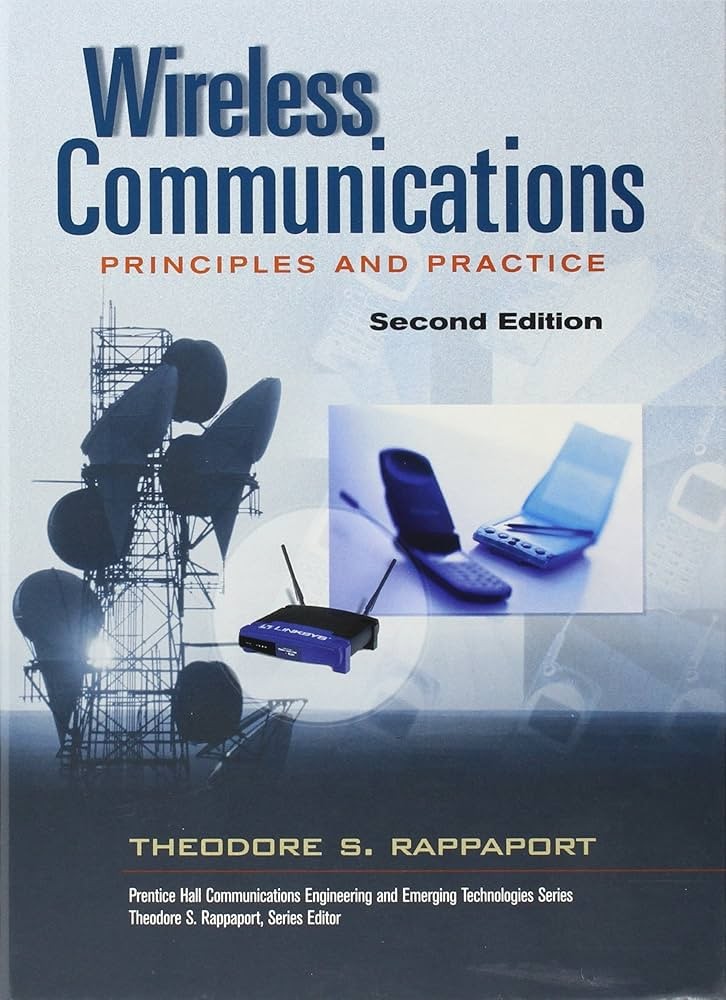
This course provides an examination of physical-layer transmission technologies and core network architectures in modern mobile communications. It begins with digital and spread spectrum modulation schemes, equalization and diversity to combat multipath fading and intersymbol interference. It then covers speech coding models, including waveform and hybrid coders, for efficient voice data compression, alongside multiple access protocols such as FDMA, TDMA, and CDMA for optimal spectrum allocation. Finally, the curriculum explores wireless networking principles, mobility management, and concluding with a comprehensive study of global cellular standards, system architectures, and call-processing protocols exemplified by GSM.
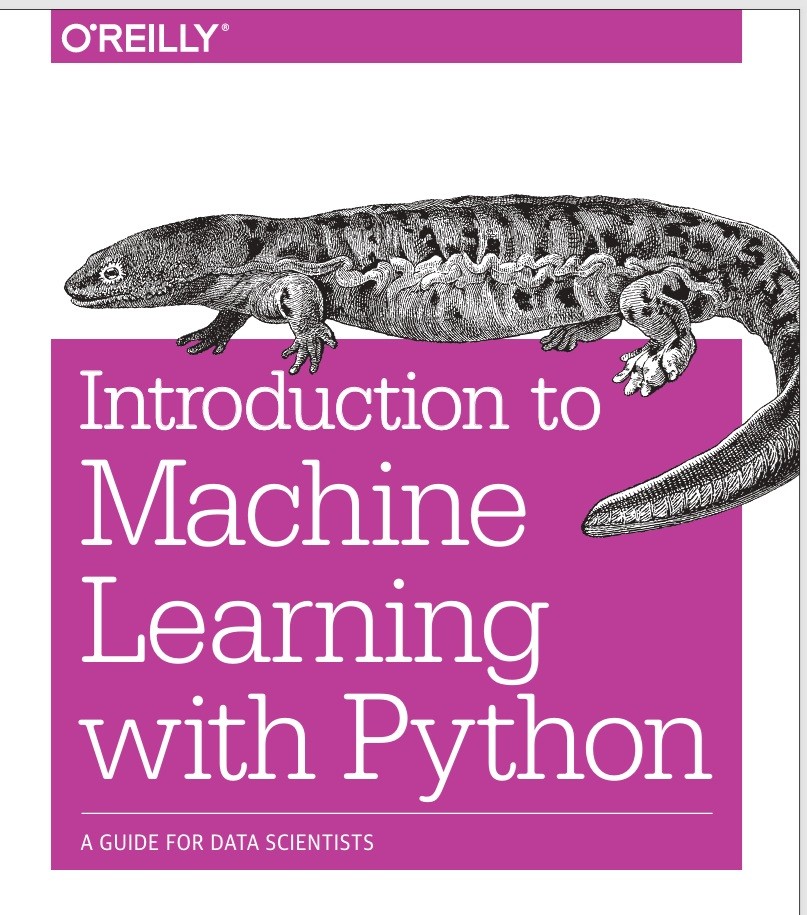
Machine Learning has become an integral part of many commercial applications and research projects. With this book, you will learn:
- Fundamental concepts and applications of machine learning
- Advantages and shortcomings of widely used machine learning, including which data aspects to focus on
- Advanced methods for model evaluation and parameter tuning
- The concept of pipelines for chaining models and encapsulating your workflow
- Methods for working with text data, including text-specific processing techniques
- Suggestions for improving your machine learning and data science skills
- Teacher: Phyo Thu Zar Tun
It provides the guidelines or basic knowledge for managing individual projects. It describes an introduction to key concepts in the project management field and the standard for project management. It also summarizes the processes, inputs, and outputs, skills, tools, and techniques such as creating WBS, PDM, CPM, etc., that are considered good practices most of the time to enhance the chances of success over a wide range of projects. It also shows the way to develop a master project plan to deliver the agreed outcomes of the project to the right scope, timescales, cost, and quality. It is organized into three parts. The first part provides a basic understanding of Project Management. The second part defines the Process Groups and provides an overview of process interactions among the nine Knowledge Areas and five Process Groups. The third part provides the guide to the project management body of knowledge as well as information in the standard by describing the inputs and outputs, as well as tools and techniques used in managing projects.
It provides computer architecture as well as computer organization and design. It is concerned with the structure and behavior of the various functional modules of the computer and how they interact to provide the processing needs of the user. It is also related to the way the hardware components are connected to form a computer system. Computer design is concerned with the development of the hardware for the computer taking into consideration a given set of specifications. It provides the basic knowledge necessary to understand the hardware operation of digital computers and covers the three subjects associated with computer hardware. This feature describes the various digital components used in the organization and design of digital computers, the detailed steps that a designer must go through to design an elementary basic computer, and the organization and architecture of the input-output and memory, the concept of multiprocessing.
- Teacher: Theingi Myint